18th April 2026
Best Practices for Safe Bird Feeding
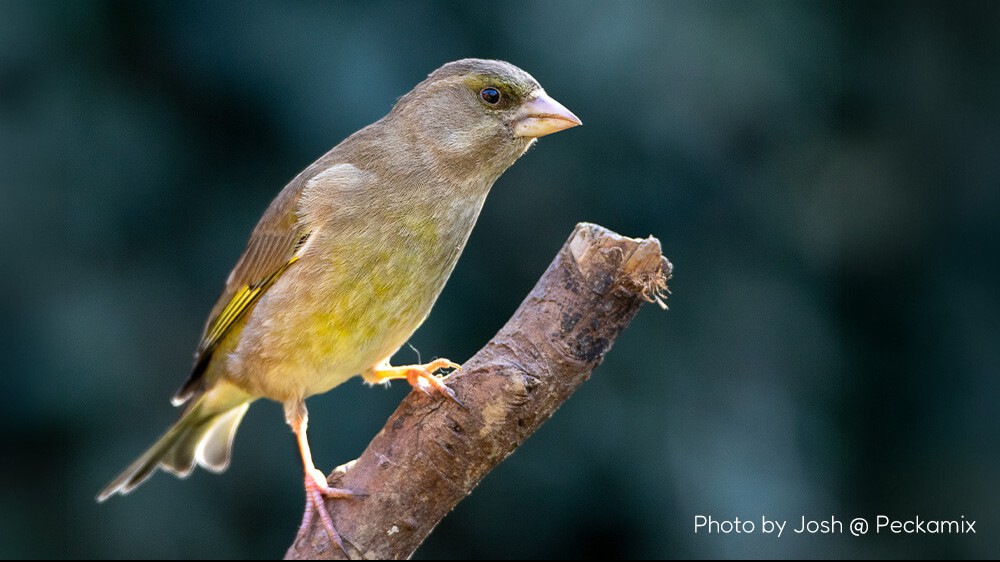
As a nation of animal lovers, watching wild birds in our gardens brings us a great deal of joy. Providing food also gives birds an essential, reliable source of nutrition in a world where resources for wildlife are increasingly scarce. Habitat loss, industrial agriculture, urbanisation, and insect decline are among the many battles our wildlife is facing.
With disease transmission and seasonal feeding a hot topic right now, we've collated the latest research and put together guidance on what we believe are the best practices for protecting wild bird populations in gardens across the country. The good news is that when feeding is done hygienically and thoughtfully, the benefits clearly outweigh the risks, and you can continue to feed all year round.
We understand that recent guidance has raised concerns about seeds and peanuts during summer months, however, the evidence points to surface hygiene and bird crowding as the more significant variables in transmission risk. Keep feeders clean and dry, rotate feeding areas regularly, and avoid flat feeding surfaces, and you can continue to safely offer seeds and nuts all year round. It is also worth noting that the RSPB's own commissioned literature review (Peach et al., 2026, RSPB Research Report 85) explicitly identifies as a key knowledge gap "the absence of studies comparing the implications for bird fitness and/or pathogen transmission from year-round versus seasonal provision of supplementary food." In other words, there is currently no peer-reviewed scientific evidence that stopping seed feeding for six months produces better outcomes for birds than continuing to feed with proper hygiene practices. If you spot a sick bird, remove all food immediately, deep clean all feeders, and don't feed for 2-4 weeks to allow birds to disperse before restarting.Should I feed seasonally?
Pause feeding immediately and remove all feeders and water baths for 2-4 weeks to break the transmission cycle. Thoroughly clean and dry all equipment before putting it back out.Know how to spot a sick bird
How to feed safely
Trichomonosis cannot survive in dry conditions, but research has shown in lab tests, trichomonosis can survive for up to 48 hours at 37°C on moist, but not dry, birdseed and in water for up to 30 hours (Peach et al., 2026, RSPB Research Report 85). This is precisely why keeping food dry and cleaning water sources daily is so important. The problem with flat surfaces is that sick birds, which tend to be lethargic and struggle to swallow, linger at feeding stations rather than moving on. Video data collected at trichomonosis outbreak sites confirms that birds showing clinical signs of disease spend longer at food and water sources and regurgitate food and water that is then readily available to other birds, significantly increasing the risk of transmission. We recommend switching to easy-to-clean tubular seed feeders and for ground-feeding birds like robins and blackbirds, instead of using a bird table, scatter a small handful of food and rotate the spot regularly. Water is vital, especially during dry months, but bird baths should be thoroughly cleaned daily and allowed to dry fully before refilling. Good hygiene has always mattered when feeding wild birds, and the more we understand about disease transmission, the clearer the importance becomes. Building a regular cleaning routine into your schedule is one of the most effective steps you can take. Clean your feeders at least once a week. Start with hot soapy water to remove debris and old food, then disinfect with a 10% bleach solution or an off-the-shelf bird feeder disinfectant. Rinse thoroughly and allow to dry completely before refilling, damp feeders are a disease risk in themselves. Our top tip: keep a set of spare feeders. Swapping clean and dirty ones over means you don't need to rush the drying process, and your birds don't go without food while you clean.Why are flat surfaces and bird baths a problem?
Weekly cleaning and spare feeders
If you're seeing birds queuing for feeders or a constant stream of visitors, it's worth creating additional feeding opportunities. Spreading more feeders across different locations reduces crowding, and a feeder pole is an excellent way to hang multiple feeders without taking up much garden space. A small scatter feed on the ground can also take the pressure off hanging feeders.Avoid overcrowding
Use tube feeders, which naturally keep seed drier than open trays, and consider adding a rain guard to protect seed from wet weather. Only put out as much food as birds will eat in a day so nothing sits and becomes damp overnight.Keep food dry
Suet pellets, suet balls, mealworms, sunflower hearts, kibbled peanuts, and our No Mess Mix are all excellent husk-free choices for year-round feeding. Our No Mess Mix was specifically created to minimise waste, every ingredient is husk-free and chosen because birds eat it all, leaving very little behind. Which? independently tested it against 22 other popular mixes and awarded it Best Buy status with the highest score by a considerable margin. Sunflower hearts on their own are another great option, nutritious, husk-free, and a firm favourite with many common garden birds.Feed a no-mess, husk-free seed
Spring and summer are among the most demanding times of year for birds. When raising chicks, adult birds often rely on garden feeders as an easy food source for themselves, preserving their energy for finding natural food, insects, worms, berries, for their young. It's a strategy worth supporting. Our summers are also getting longer and more extreme. The prolonged drought of 2025 made it significantly harder for birds like blackbirds to access earthworms, and those conditions are becoming more frequent. A reliable garden feeder can make a real difference when the natural environment fails to provide. The scale of the benefit that garden feeding provides is significant. The RSPB's own literature review found that seed and fat provision during winter was associated with an average 77% increase in bird survival rates across eight separate studies, an effect the authors describe as large enough to have "ecologically significant implications for the population dynamics of the species involved" (Peach et al., 2026, RSPB Research Report 85). Stopping feeding removes this benefit entirely. At a population level, the same review found that species showing the greatest increases in garden feeder usage also showed the greatest increases in population size. Goldfinch numbers are up 129%, great spotted woodpecker up 388%, and siskin up over 200% - increases the review concludes are probably driven by the widespread growth of supplementary feeding. Garden feeders are not a minor supplement, for many species they have become a meaningful driver of population recovery.Why feeding the birds all year round is important
Our stance on the new feeding guidelines
In April 2026, the RSPB launched its "Feed Safely, Feed Seasonally" campaign, recommending that we pause offering seeds and peanuts between May and October, and suggested only feeding mealworms and suet to reduce Trichomonosis transmission during peak disease months.
We respect the RSPB and share their concern. The 66% decline in greenfinch numbers between 1995 and 2023 is deeply troubling, and it is a crisis that demands a serious response. But we believe a blanket nationwide withdrawal on seed feeding is too blunt an instrument, and the RSPB's own research supports that conclusion.
The review that informed the new guidelines explicitly states that there is currently no scientific evidence to support the six-month pause, identifying as a key knowledge gap and the review also found that when feeders were experimentally removed, birds lost not just disease exposure but also the measurable health benefits that feeding had provided, including improved antioxidant levels, reduced stress, and stronger immune defence.
Of the studies specifically examining seed or fat provision during spring, summer or autumn, the review found that two showed positive outcomes for birds and one showed no effect. None showed harm. The authors of the RSPB report concluded that it is not possible to draw general conclusions about the impacts of such provision - which is very different from concluding it should stop!
Not all gardens are equal. An urban garden surrounded by concrete, with limited insect life and little natural food, is a very different environment to a rural one. For birds in those spaces, a garden feeder in spring and summer may be their most reliable food source of the year. Withdrawing it entirely, rather than improving how we feed, risks doing more harm than good.
The research points to hygiene and surface type as the primary transmission factors, not the food itself. Sick birds linger on flat, damp surfaces. Contaminated water spreads the parasite. Crowded feeders increase contact. These are solvable problems without stopping feeding altogether. The RSPB review itself suggests that for gardens attracting large numbers of finches, a more proportionate response may be "to moderate the volume of seed provision and/or the number of seed feeders in use" - not to stop feeding entirely.
Our position: feed all year round, but feed well. Clean feeders weekly, rotate locations, remove flat surfaces, keep food dry, and choose a quality no-mess seed. Responsible feeding, done with the right food, clean equipment, and a watchful eye, is unquestionably a positive for wild bird populations.