14th February 2026
Give Garden Birds a Home: Your Guide to Nest Boxes
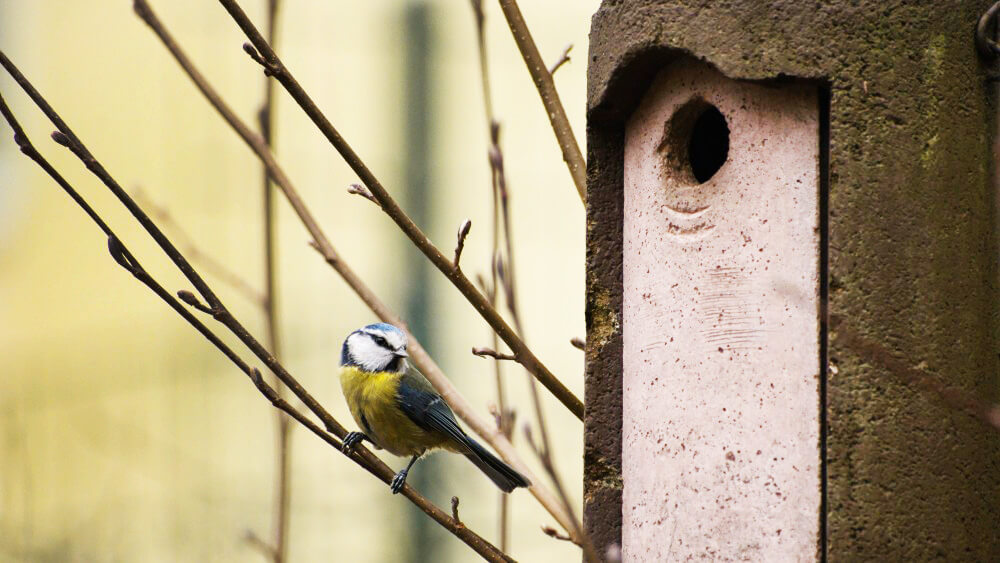
With Valentine’s Day marking the start of National Nest Box Week, it’s the perfect time to give your local birds a safe place to raise their young. British birds are facing a serious housing shortage - tidy gardens, managed woodland, and modern buildings mean there are far fewer natural holes and sheltered spaces to nest. Even a single nest box in your garden can make a real difference.
Why Put Up a Nest Box?
Many common garden birds from Blue Tits and Great Tits to Robins and House Sparrows struggle to find suitable nesting sites. By putting up a nest box, you’re
- Giving birds a safe place to raise chicks
- Supporting your local wildlife and boosting biodiversity
- Enjoying the joy of watching birds build nests and raise young
Tip: Observing your birds in action is not only rewarding - it’s also a great way to relax and reduce stress!
Best Time to Put Up a Nest Box
There is never a bad time to put up a nest box, but for most UK garden birds, February to early March is ideal. Birds start looking for nesting sites in late winter, so putting your box up early gives them plenty of time to settle in before egg-laying begins.
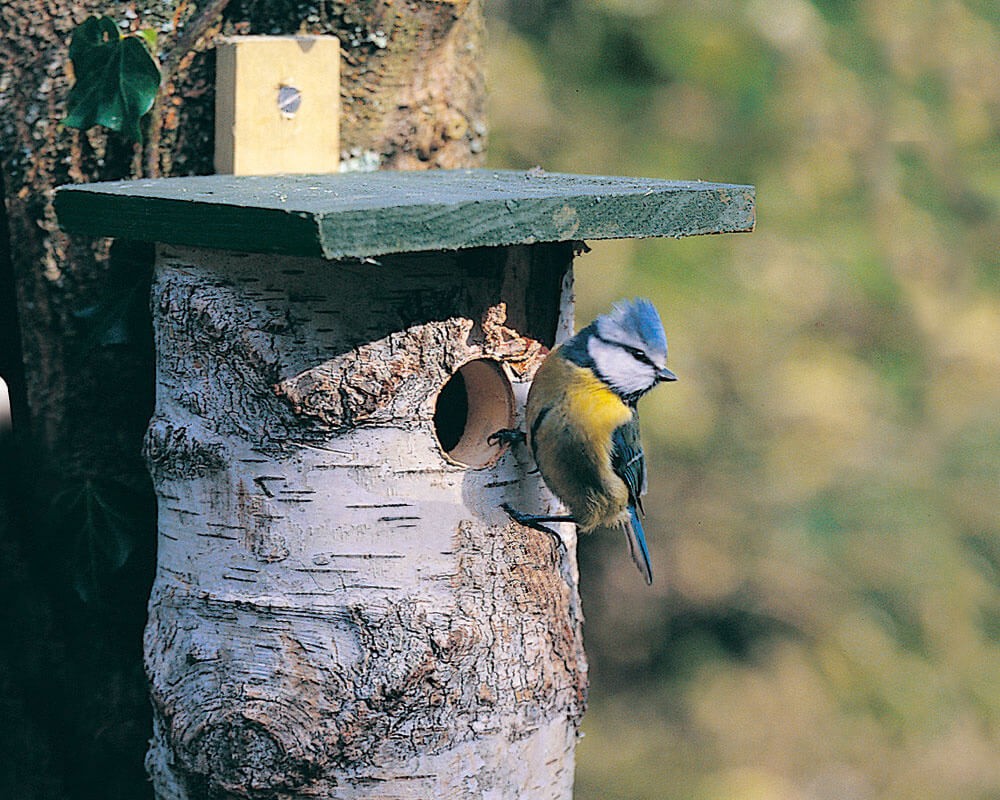
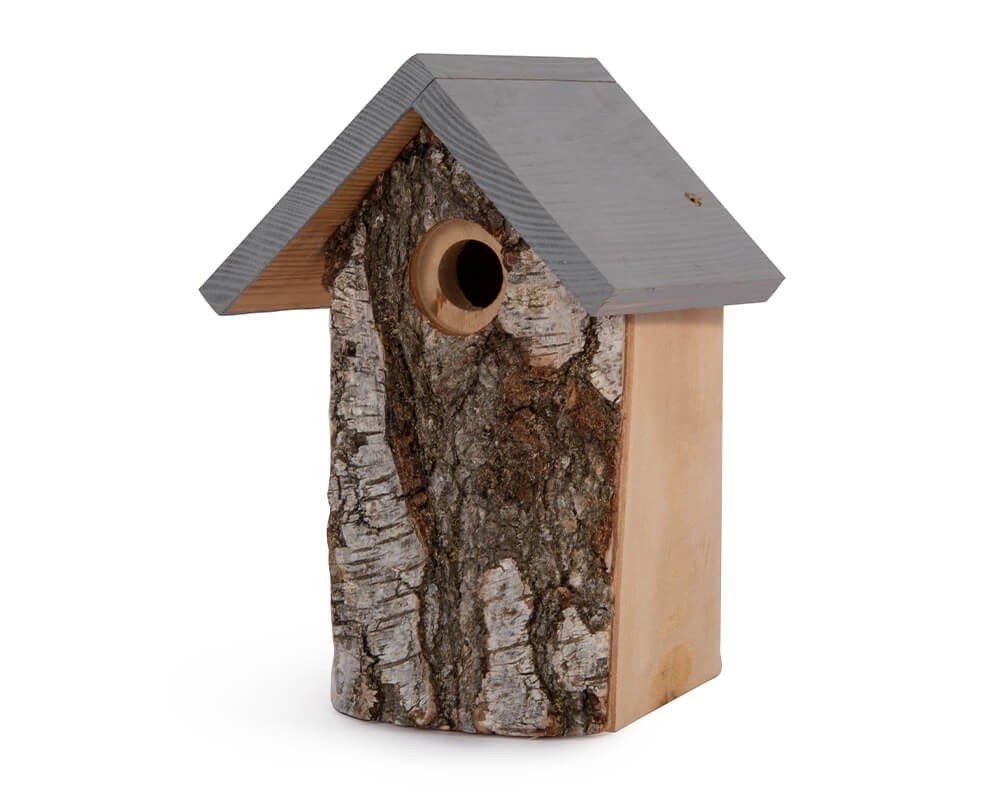
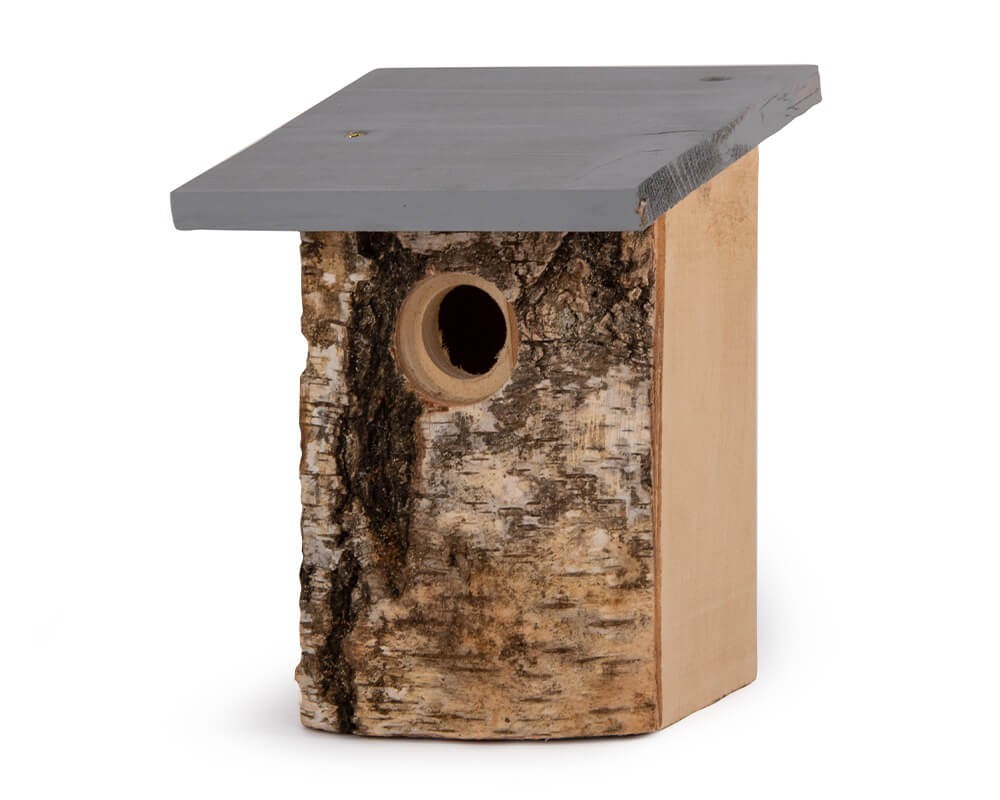
Wooden Nest Boxes - Natural and Simple
Where to Position a Nest Box
- Choose a sheltered spot, ideally facing north or east to avoid the hottest afternoon sun.
- Keep the area quiet and undisturbed, but still visible so you can enjoy watching your feathered visitors
- Do not position near bird feeders. The bird traffic to the feeders will discourage nesting.
- Tilt the box forward slightly so any rain runs off.
- For common garden besting birds such as blue tits and great tits, position a nest box 1-5 metres above the ground to keep chicks safe from cats and other predators. See the table below for position heights of other common birds.
What Makes a Good Nest Box?
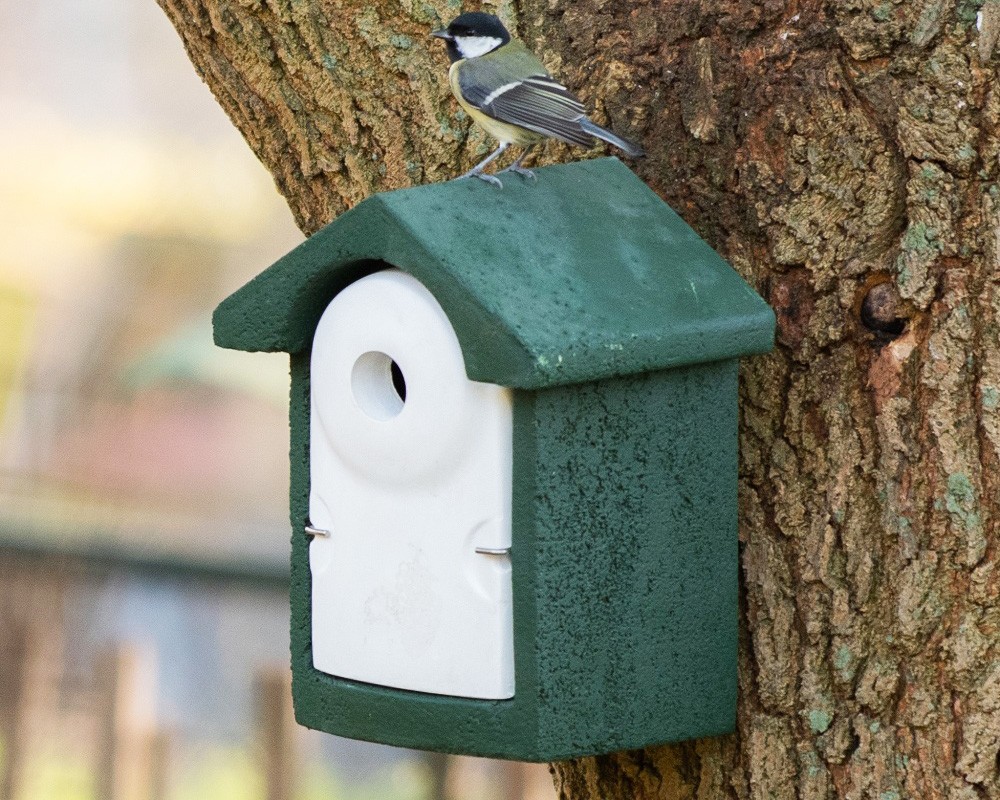
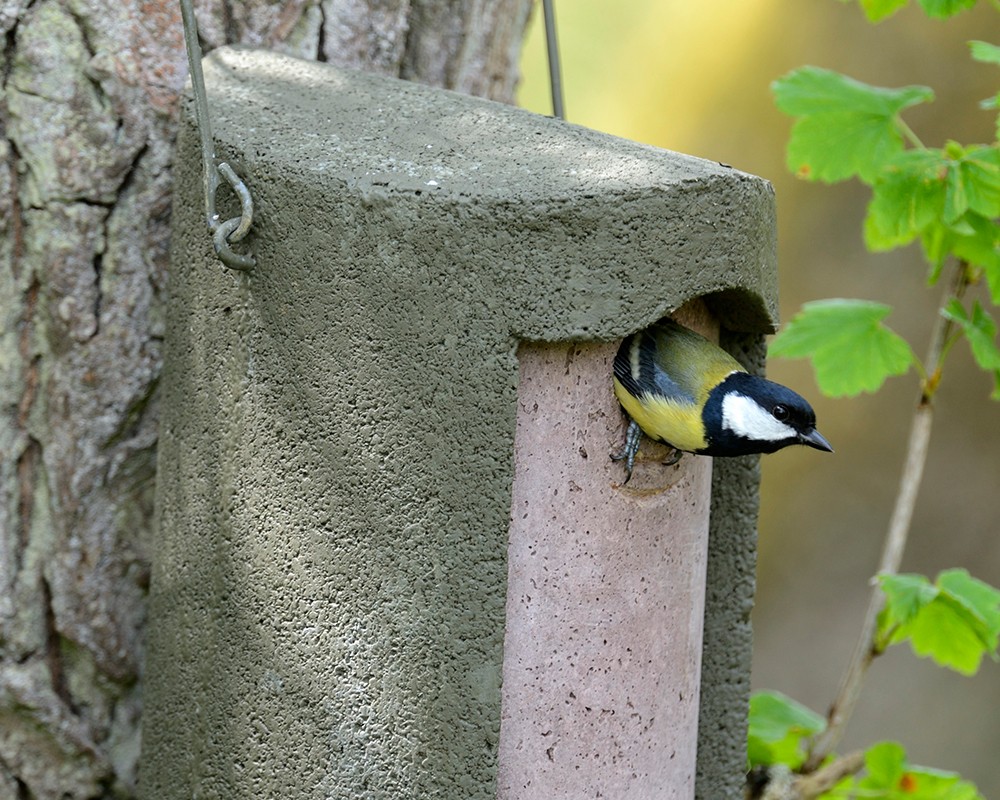
Sturdy, secure and easy to clean are the criteria for all the nest boxes we stock. Most are made of wood or woodcrete (a long-lasting combination of sawdust and concrete – we’ve known these boxes to last 30+ years!) and both materials provide excellent insulation properties. If opting for a wooden box, we recommend fitting a nest box protection plate for added security against predators.
We do not recommend nest boxes with perches, these just make it easier for predators to access the box.
Long-Lasting Concrete Boxes - Sturdy and Durable
Caring for Your Nest Box After the Breeding Season
Regular maintenance prevents parasites and ensures your birds have a safe, clean home each year:
- Remove old nesting material after the breeding season (September-January).
- For tits you can empty the box as soon as the breeding has finished, other species may re-use the same nest so it’s best to wait till the Autumn.
- Wipe down with a mild, bird-safe disinfectant and wear gloves and a dust mask. A stiff bristle brush like an old toothbrush comes in handy here.
- Check for damage and repair before next season.
Pro Tip: Don’t delay the clean up too long, some birds may use the nest box for roosting on a cold winters night.
Why It’s Good for Us
Putting up a nest box isn’t just good for birds - it’s good for people too. Building, installing, and watching birds use your box is:
- Rewarding and educational
- A way to connect with nature
- A stress-buster Our Build Your Own Nest Box Kit is perfect for this, offering a hands-on way to create a home for wildlife while learning about your local birds.
Putting up a nest box is one of the simplest ways to make a positive impact on your local wildlife. Whether you’re looking to attract Blue Tits, Robins, or a mix of your garden’s regular visitors, a safe, well-positioned nest box can give birds a great start in life and bring a little joy into your garden too.
Specialist and DIY Next Boxes
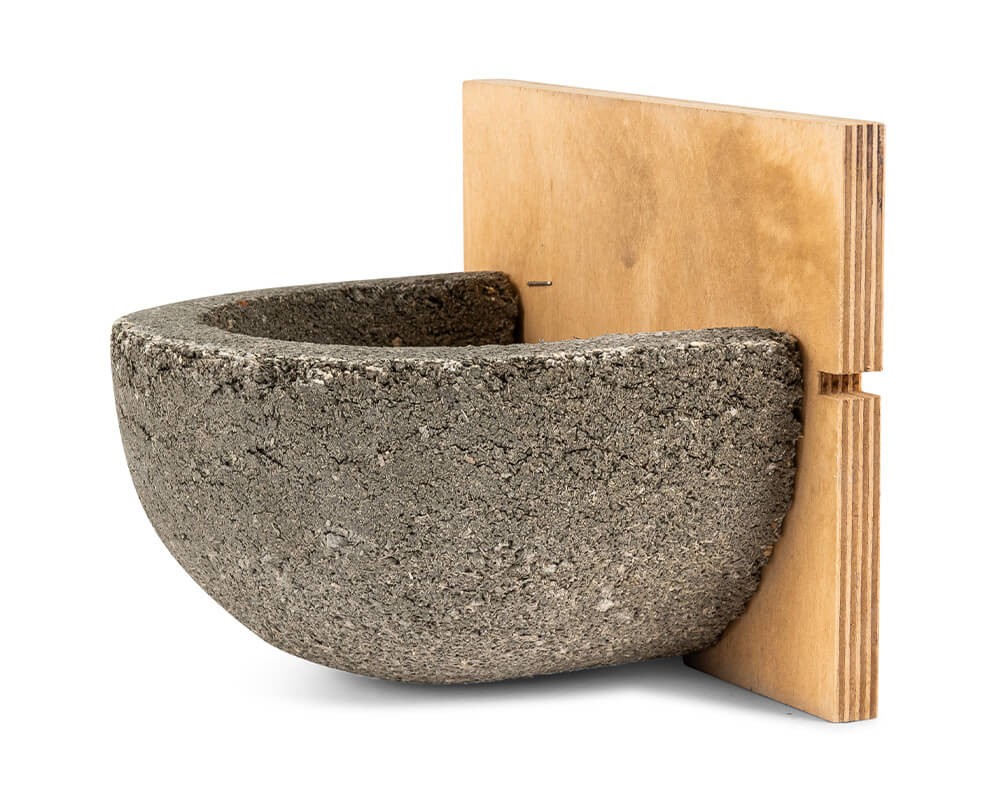
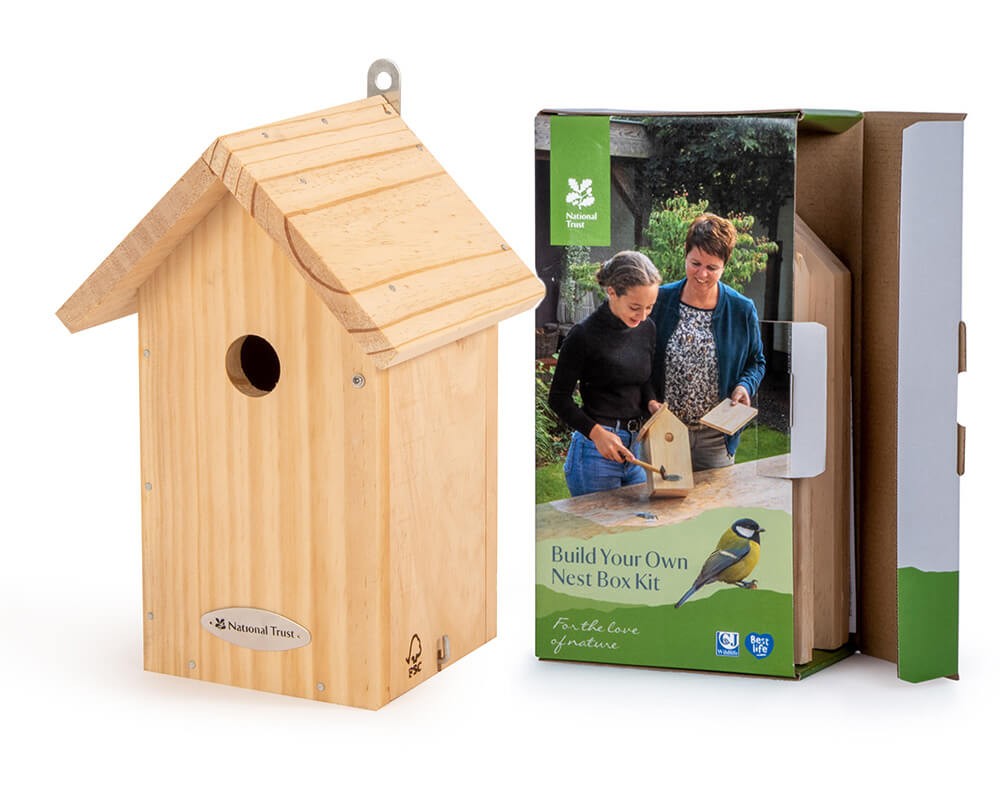
Birds That Prefer Small to Medium Sized Nest Box Entrance Holes
| Bird Species | Entrance Hole Diameter | Box Height from Ground | Notes |
|---|---|---|---|
| Blue Tit | 28 mm | 1–5m | Keep flight path to entrance clear |
| Great Tit | 32 mm | 1–5m | Our largest tit species so requires a slightly larger hole. Keep flight path to entrance clear |
| Coal Tit | 25-28 mm | 1m | Often seeks out cavities at ground level but will also use nest boxes positioned low to the ground. |
| Tree Sparrow | 28 mm | > 2m | Position two or more boxes so they can set up colonies |
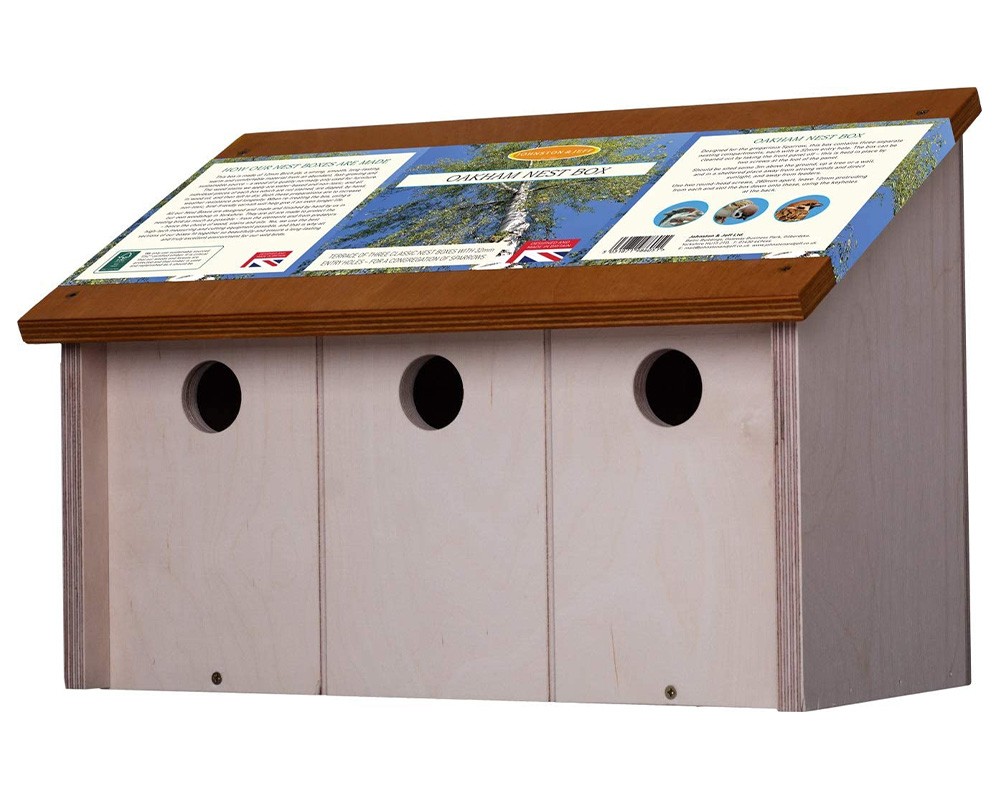
| House Sparrow | 32 mm | > 2m | Will nest in colonies. Position several boxes or use a specialist sparrow nest box. |
| Nuthatch | 32 mm | >3m | Will often return in successive years. Keep clear flight path into nest box. |
| Starling | 45 mm | 2–4m | Will happily nest in close proximity |
| Great Spotted Woodpecker | 50mm | 3-6m | Can be encourage to use nestboxes with a lump of soft wood inside so that they can hollow out the nest cavity for themselves. |
Birds That Prefer Big Nest Box Entrance Holes
| Bird Species | Entrance Hole Diameter | Box Height from Ground | Notes |
|---|---|---|---|
| Tawny Owl | 150 mm | 3–6m | Box must be robust and high. Clear flight path required. |
| Stove Dove | 150mm | 3-6m | The only member of the pigeon family that’s likely to use a nestbox |
Birds That Prefer Open-Fronted Nest Boxes
| Bird Species | Entrance Hole Diameter | Box Height from Ground | Notes |
|---|---|---|---|
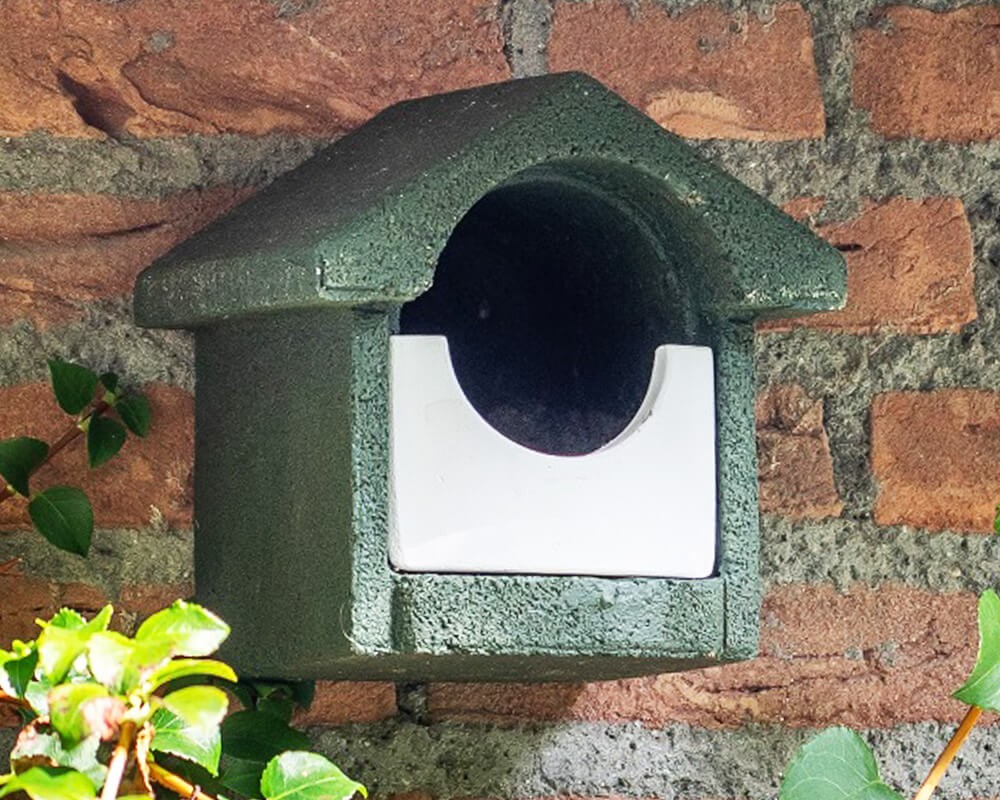
| Robin | Open-fronted | 0.5–1.5m | Position in thick overhanging vegetation. |
| Wren | Open-fronted | 1-4m | Will use open-fronted boxes for nesting and roosting. Position box well hidden in dense vegetation. |
Birds With Specialist Nesting Requirements
| Bird Species | Entrance Hole Diameter | Box Height from Ground | Notes |
|---|---|---|---|
| Barn Owl | Very big with special entrance | 3–4m | Barn Owls are a Schedule 1 species, and it is illegal to look in nestboxes without a special licence. |
| Kestral | Very large open-fronted box with perching pole | 3–5m | Boxes can be attached to the sides of buildings with clear flight path. |
| Swift | Oval-shaped hole | As high as possible on buildings | Needs a clear drop below entrance |
| House Martin | Specialist nest | Under the eaves of houses | Traditionallynesting in mud-made nests built under the eaves of houses |
| Swallow | Open cup nest | >3m | Swallows prefer open country, nesting in barns, derelict buildings and sheds. |